Product Titles
200 charactersFront-loaded with primary keywords, brand name, and key differentiators. Optimized for both desktop and mobile display.
Last updated: August 2026 · Published by SuperListing
Amazon SEO (Search Engine Optimization) is the practice of optimizing product listings to rank higher in Amazon's internal search engine. Amazon's A10 algorithm — which replaced the A9 algorithm in 2019 — ranks products based on two core signals: keyword relevance (how well your listing matches the search query) and performance (your product's click-through rate, conversion rate, and sales velocity). Unlike Google SEO, which rewards content authority and backlinks, Amazon SEO rewards listings that convert browsers into buyers.
Why it matters: As of 2025, more than 9.7 million sellers compete globally on Amazon's marketplace (Marketplace Pulse, 2025), and over 70% of Amazon shoppers never scroll past the first page of search results. Ranking in the top 3 positions for a high-volume keyword can represent a 5–10× difference in daily sales compared to page 2.
Effective Amazon SEO requires optimizing four key listing elements:
| Element | Character Limit | SEO Purpose |
|---|---|---|
| Product Title | 200 characters | Primary keyword placement — front-load top keywords |
| Bullet Points | 255 chars × 5 = 1,275 total | Secondary keywords + benefit communication |
| Product Description | 2,000 characters | Narrative keywords + objection handling |
| Backend Keywords | 249 characters | Additional terms, synonyms, misspellings |
Sellers who optimize all four elements typically see ranking improvements within 24–48 hours of updating their listing. AI-powered tools like SuperListing generate a fully optimized title, bullet points, description, and backend keywords from a product image or URL in under 30 seconds.
Trusted by serious Amazon sellers
From single-product DTC brands to multi-catalog agencies, SuperListing replaces the messy spreadsheet of titles, bullets and backend keywords with one editorial workspace.
Listings optimized with SuperListing
Amazon marketplaces supported




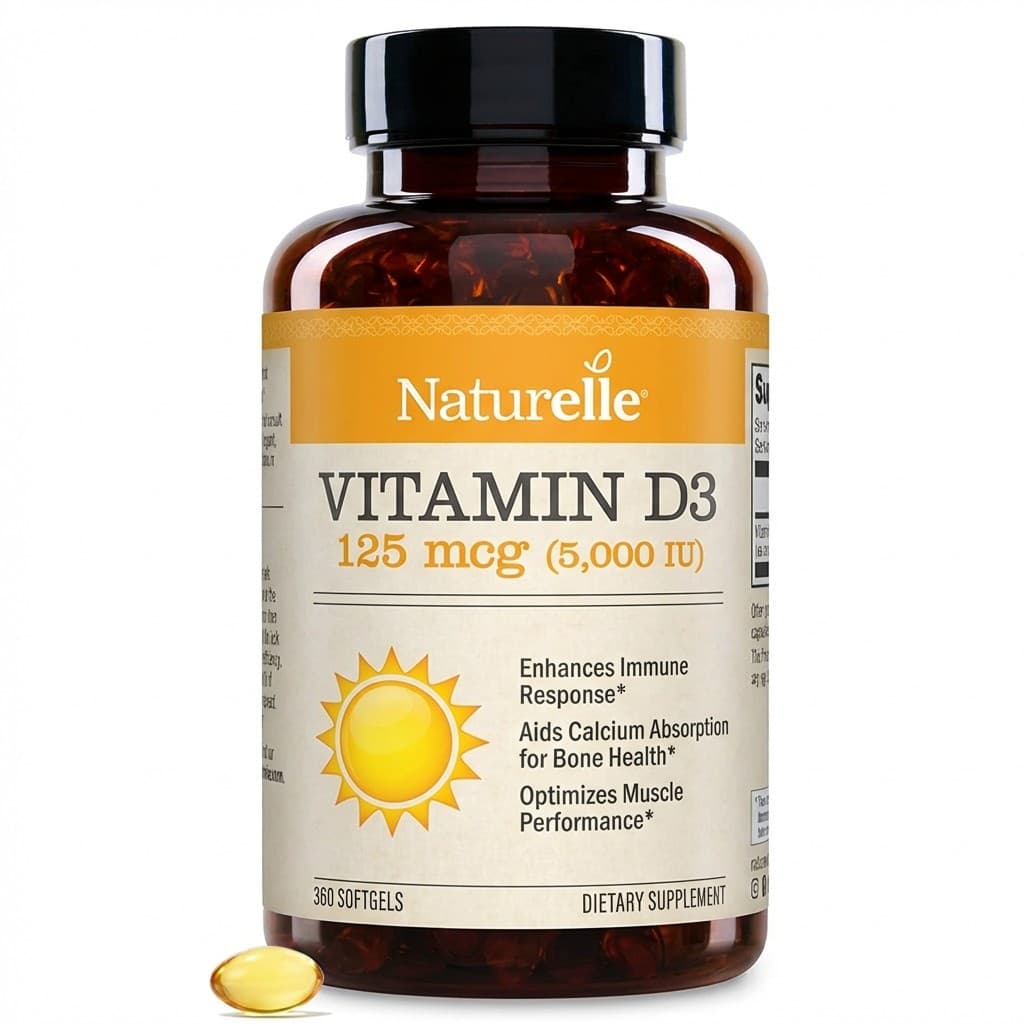
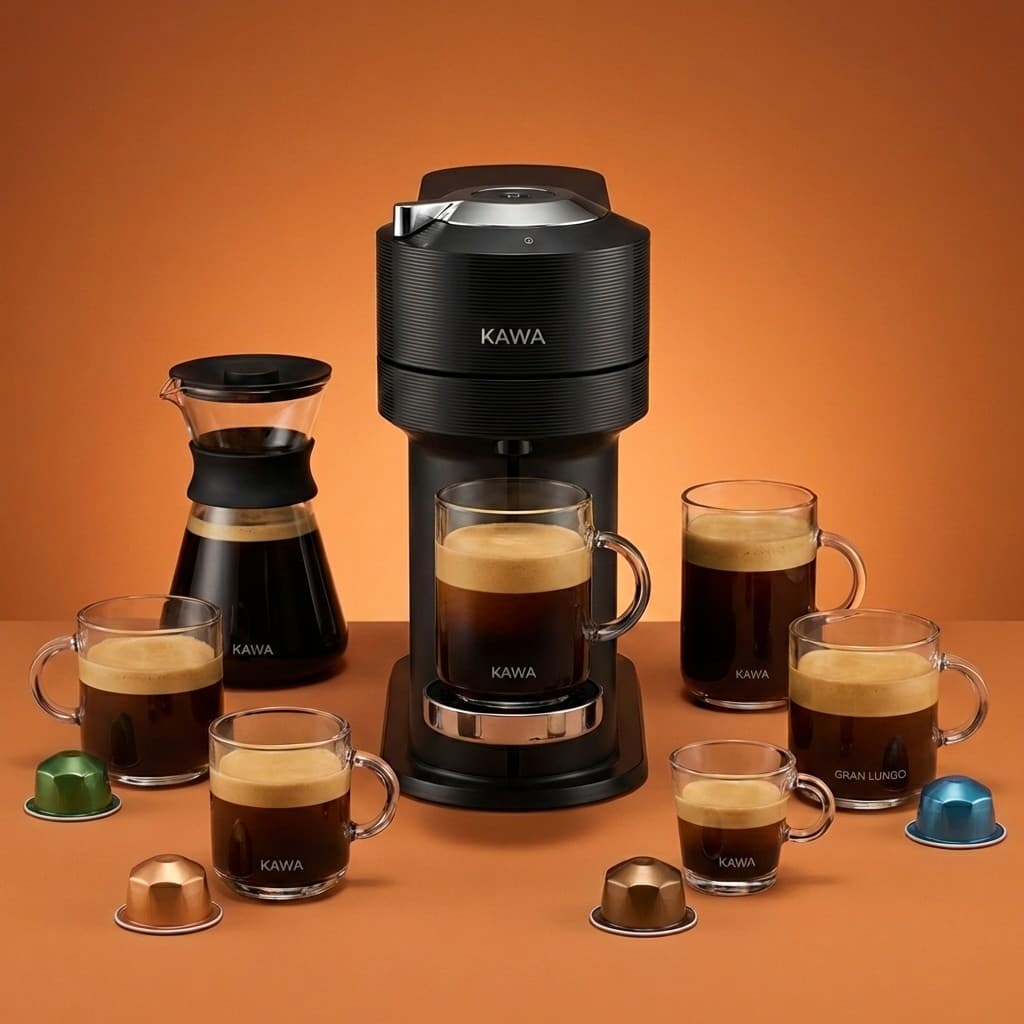
Amazon SEO is the practice of optimizing your product listings to rank higher in Amazon's internal search engine. Unlike Google, Amazon's search algorithm (known as A10) is specifically designed to connect shoppers with products they're most likely to purchase.
As of 2025, more than 9.7 million sellers compete on Amazon's global marketplace (Marketplace Pulse, 2025), and over 70% of Amazon shoppers never scroll past the first page of search results. Ranking in the top 3 positions for a high-volume keyword can represent a 5–10× difference in daily sales compared to page 2.
Amazon processes more than 2 billion product searches per month across its U.S. marketplace alone (Statista, 2025), making search visibility the single most important driver of organic product discovery.
When customers search on Amazon, the algorithm evaluates millions of products and ranks them based on relevance (how well your listing matches the search query) and performance (how likely your product is to convert into a sale).
Effective Amazon SEO involves optimizing every element of your listing: product titles, bullet points, descriptions, backend keywords, images, and even your pricing strategy. SuperListing's AI automates this entire process, helping you create fully optimized listings in seconds.
Listing Anatomy
Master these four critical components to maximize your product's visibility.
According to Amazon's Seller Central documentation, product titles carry the highest keyword weight in the A10 algorithm — making the first 80 characters of your title the most critical real estate in your entire listing.
Front-loaded with primary keywords, brand name, and key differentiators. Optimized for both desktop and mobile display.
Benefit-focused, keyword-rich bullets that address customer needs and highlight unique selling propositions.
Compelling narrative that tells your product story, includes secondary keywords, and drives purchase decisions.
Hidden search terms including synonyms, misspellings, and long-tail keywords for maximum discoverability.
Foundations
Understand these fundamentals to master Amazon's algorithm.
Amazon's ranking algorithm that determines product search placement based on relevance, performance, and customer behavior signals.
Hidden search terms (249 characters) that help products appear in searches without cluttering visible listing content.
Percentage of visitors who purchase your product, a critical ranking factor in Amazon's algorithm.
Your product's position in Amazon search results, directly impacting visibility and sales potential.
Process by which Amazon's algorithm recognizes and associates keywords with your product listing.
Comprehensive improvement of all listing elements to maximize search visibility and conversion rates.
Continue Learning
Put the strategy into practice with focused tools and guides for each stage of Amazon listing optimization.
Find high-intent search terms to use across your title, bullets, description, and backend fields.
Explore resource →Turn keyword research into an optimized listing built for relevance, clicks, and conversions.
Explore resource →Create additional search terms without duplicating keywords already used in visible listing copy.
Explore resource →Improve conversion signals with branded modules, comparison content, and benefit-led copy.
Explore resource →Compare professional Amazon SEO support with an AI-powered, data-driven workflow.
Explore resource →Understand why Amazon rewards purchase relevance and conversion instead of backlinks.
Explore resource →Step by Step
Follow this process to optimize your listings.
A/B testing data from Amazon's own Manage Your Experiments tool shows that optimized product titles alone can improve click-through rates by up to 30%, directly accelerating organic rank improvements through the A10 algorithm's performance signals.
Need a comprehensive audit? Our team of Amazon Consultants can analyze your entire account. Get in touch with us. Or use SuperListing to instantly generate optimized listings from your product image, URL, or description.
Use keyword research tools to find relevant, high-volume search terms. Focus on long-tail keywords with buyer intent. Include primary keywords, secondary keywords, and related search terms. SuperListing generates keyword-rich content automatically.
Create a keyword-rich title under 200 characters. Include your brand name, main keywords, product type, key features, size/quantity, and color. Front-load important keywords as Amazon truncates titles on mobile devices.
Create 5 bullet points (max 255 characters each) that highlight benefits and features. Use relevant keywords naturally, address customer pain points, and include social proof elements. Make them scannable with key information first.
Write a persuasive description up to 2000 characters. Tell your product story, include additional keywords, address objections, and create urgency. Use HTML formatting (if enabled) for better readability.
Fill your 249-character backend search terms field with additional keywords, synonyms, misspellings, and related terms. Separate with spaces only, no punctuation needed. Avoid repeating words from your title.
Ready to Rank
Let SuperListing's AI optimize your listings in seconds. No manual work. Just results.
Start Your Free TrialFAQ
Common questions about Amazon SEO and listing optimization.
Amazon SEO is the practice of optimizing product listings — including titles, bullet points, descriptions, and backend keywords — to rank higher in Amazon's A10 search algorithm. Unlike Google SEO, Amazon's algorithm ranks products based on keyword relevance and conversion performance, not website authority or backlinks.
Amazon's A10 algorithm ranks products using two primary signals: keyword relevance (how well listing content matches the search query) and performance metrics (click-through rate, conversion rate, sales velocity, and review score). Amazon updated from the A9 to A10 algorithm in 2019, shifting emphasis from PPC-driven sales to organic sales performance. FBA (Fulfillment by Amazon) products receive additional ranking consideration due to Prime eligibility.
Backend keywords are hidden search terms entered in Amazon Seller Central that Amazon's algorithm indexes but shoppers never see. Amazon allows up to 249 characters of space-separated keywords. Best practices include avoiding punctuation, not repeating words from your title, and including synonyms, alternate spellings, and misspellings that customers might use.
Amazon typically indexes listing changes within 24–48 hours of submission. Ranking improvements in search results usually become visible within 2–4 weeks as Amazon's algorithm accumulates performance data including clicks, conversions, and sales velocity for the updated listing.
Amazon SEO optimizes for purchase intent and conversion rate using the A10 algorithm, which weighs keyword relevance, sales velocity, and customer reviews. Google SEO optimizes for informational relevance using PageRank and hundreds of signals including backlinks and content authority. Amazon SEO has no concept of domain authority or backlinks — only listing-level performance metrics matter.
Yes. AI-powered tools like SuperListing can generate a complete, SEO-optimized Amazon listing — including title (200 characters), five bullet points (255 characters each), product description (2,000 characters), and backend keywords (249 characters) — in under 30 seconds from a product image, URL, or description.
Improving organic Amazon rankings without increasing ad spend requires optimizing three areas: keyword relevance, conversion rate, and review velocity. Place your primary keyword in the first 80 characters of your title, rewrite bullet points to address the top customer objections in your category, and implement a post-purchase follow-up sequence to generate more reviews. Sellers who fully optimize listing content before scaling PPC typically achieve a lower ACoS because improved organic rank reduces dependence on paid traffic.
SuperListing offers a free tier with 1 listing optimization. Paid plans start at $45/month for Starter, with Growth at $199/month and Done For You at $1,499/month. Pay-as-you-go credit packages start at $129 for 120 credits.
Start your free trial →Get Started
Join thousands of sellers using SuperListing to optimize their listings.